


Mission in Greenland for the Green2Ice Team
Photographs : Louise Crinella Morici & Charlotte Prud’homme
In 1992, the historic drilling of the GRIP (Greenland Ice Core Project) ice core, located in central Greenland, reached a depth of 3022 meters—just above the bedrock, though without actually hitting it. Abandoned for more than 30 years, this site is now at the heart of the European ERC Synergy Green2Ice program (2023–2028), coordinated by Denmark, Belgium, and France. One of the major objectives of Green2Ice is to reuse the GRIP borehole to drill a new core, NewGRIP, in 2026. This time, the goal is to reach the subglacial sediments—true archives of the past—essential for determining when and for how long Greenland was last ice-free.
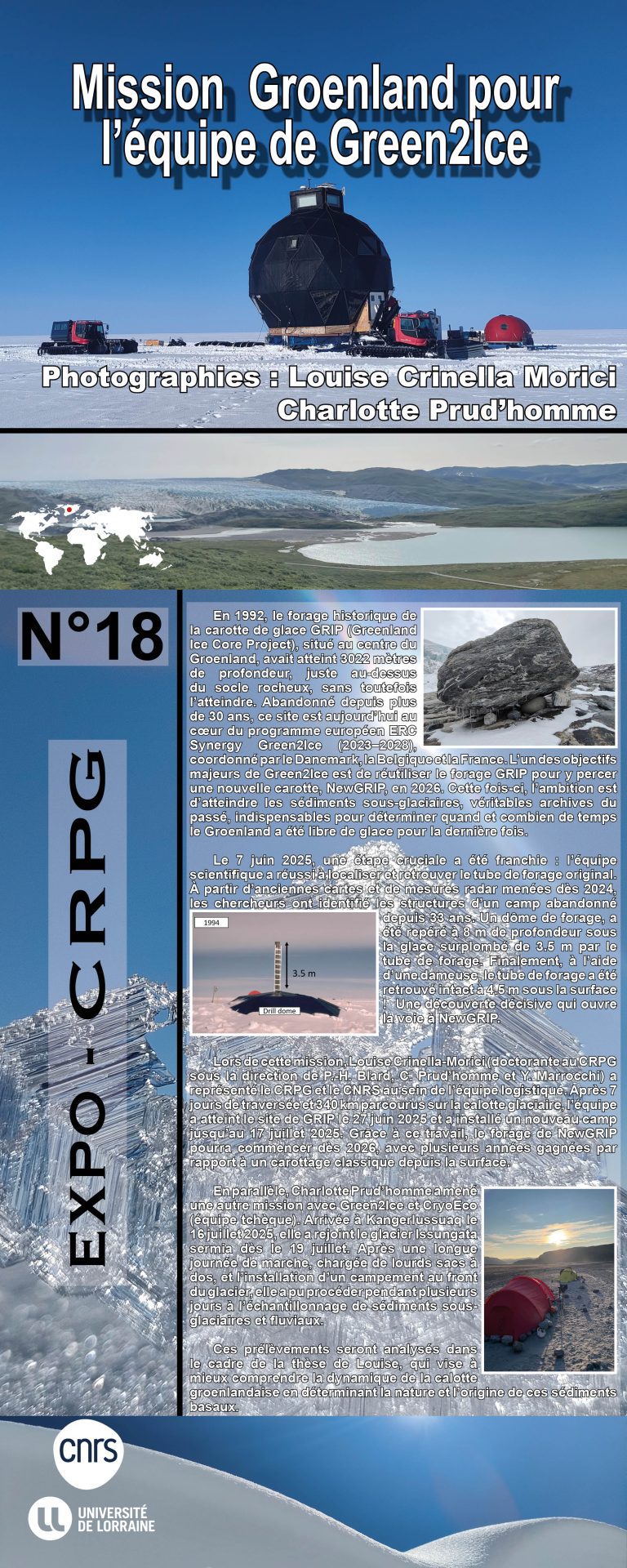
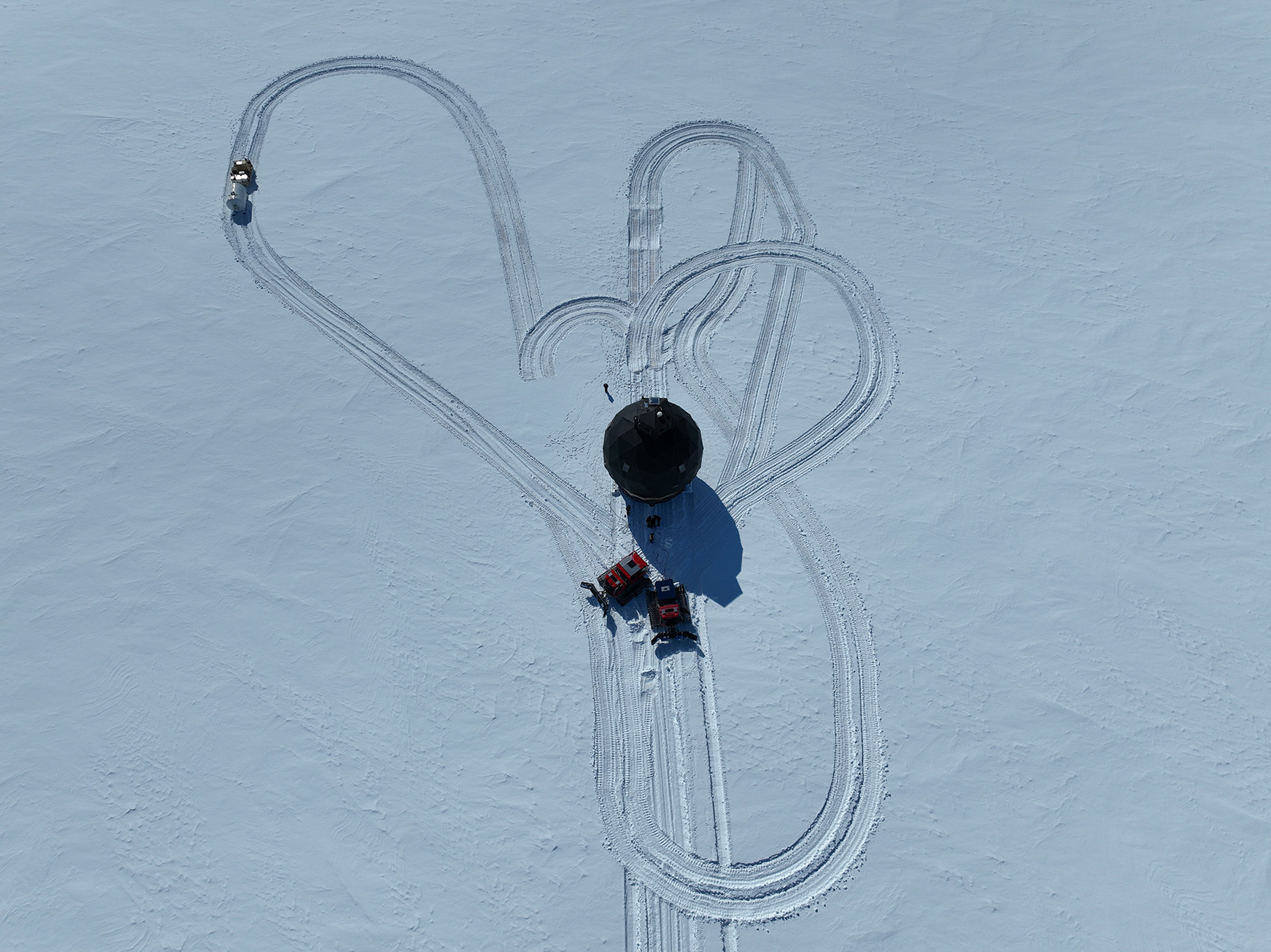
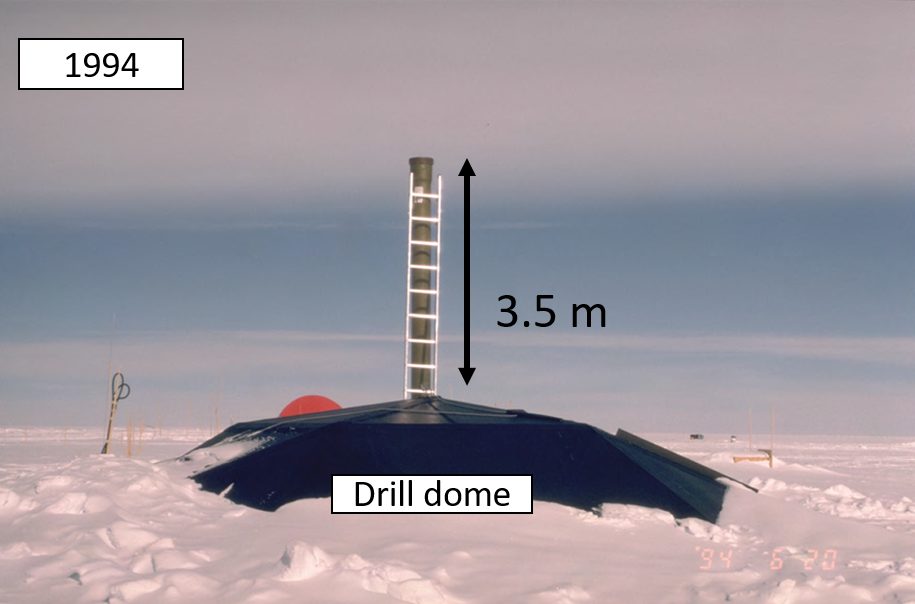
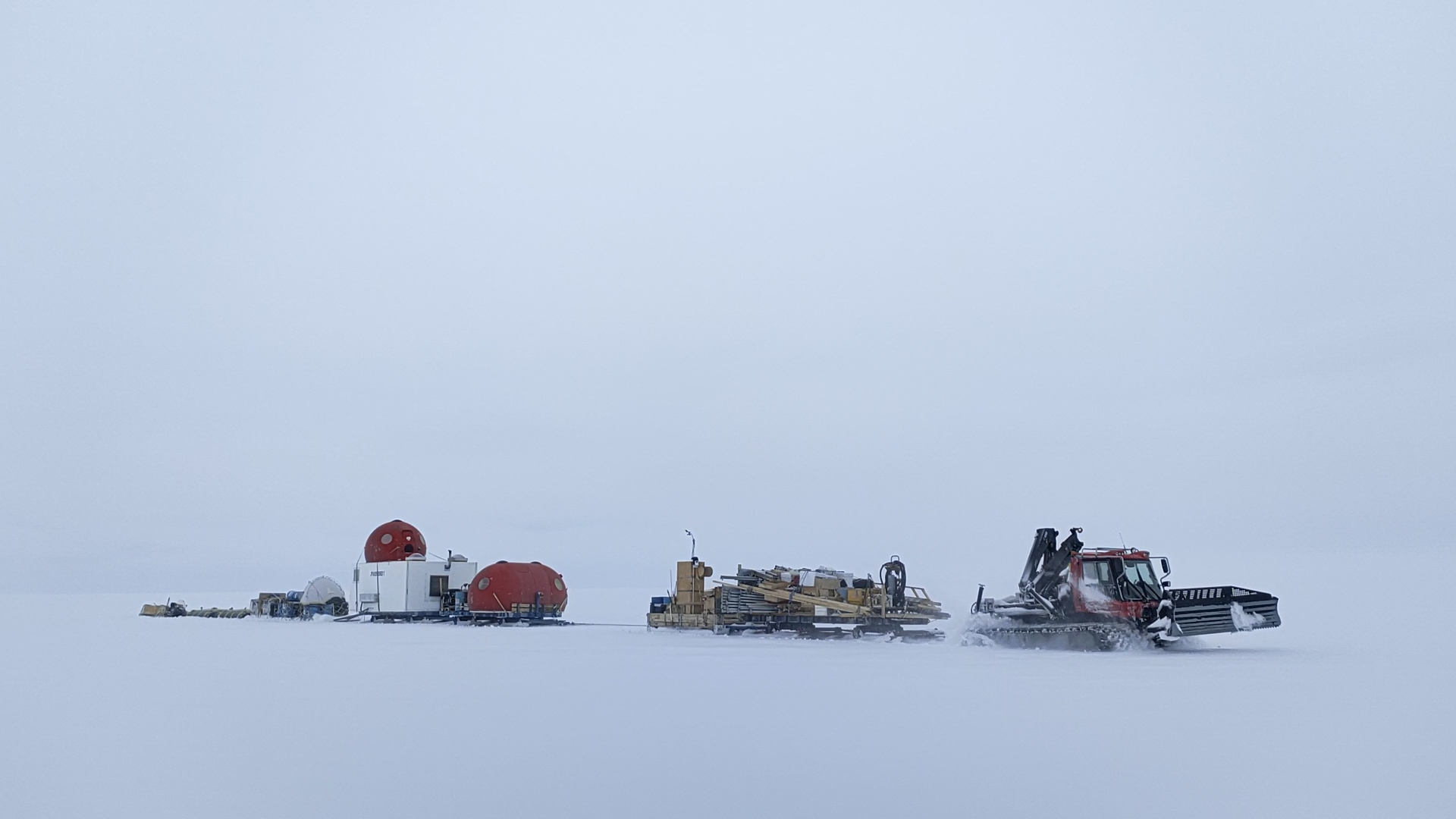
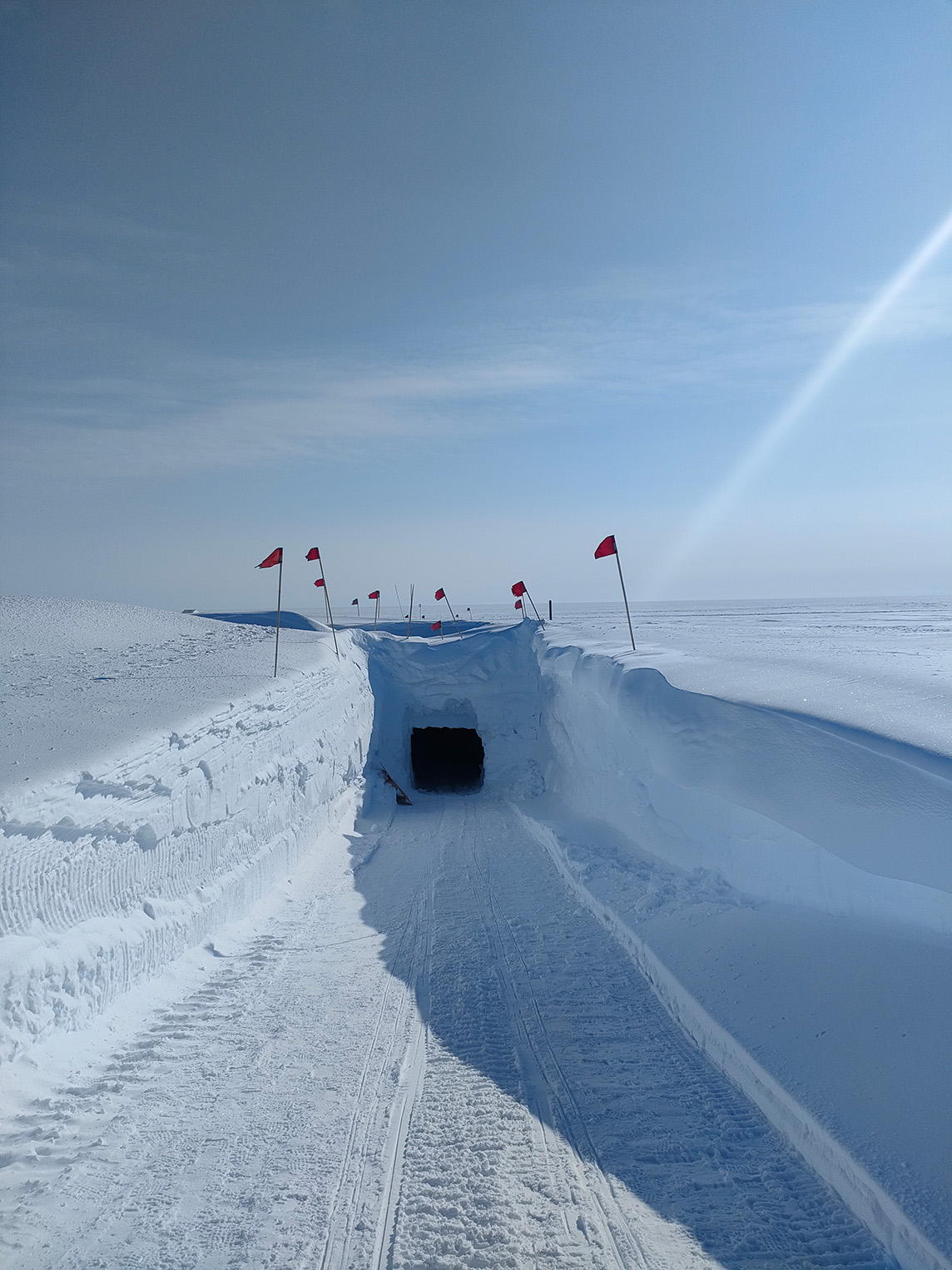
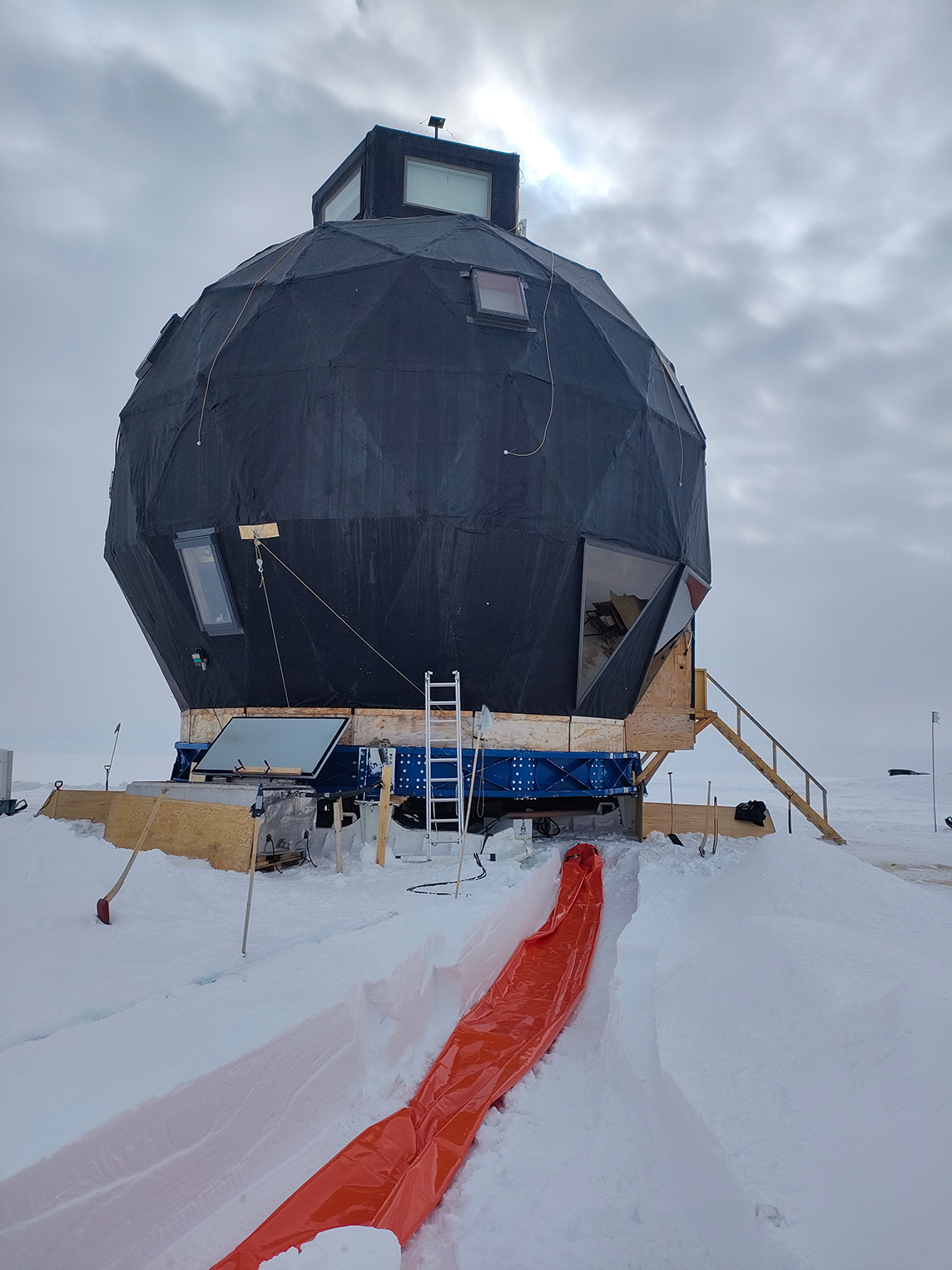
On June 7, 2025, a crucial step was achieved: the scientific team successfully located and recovered the original drilling tube. Using old maps and radar measurements carried out since 2024, the researchers identified the structures of a camp abandoned 33 years earlier. A drilling dome, detected 8 meters below the ice surface, was then uncovered using a snow groomer: the drilling tube, intact, was recovered 4.5 meters beneath the surface. This decisive discovery paves the way for NewGRIP.
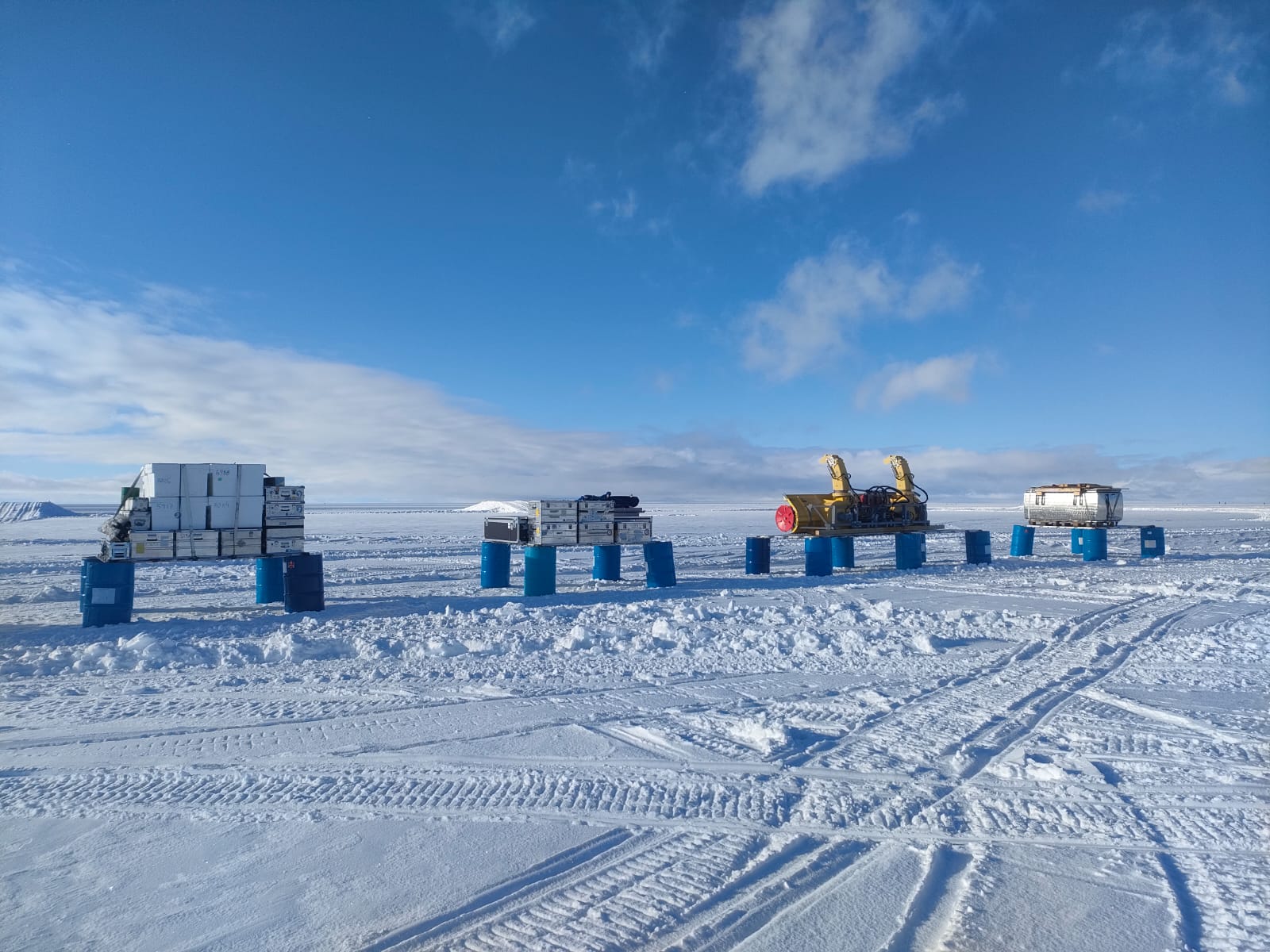
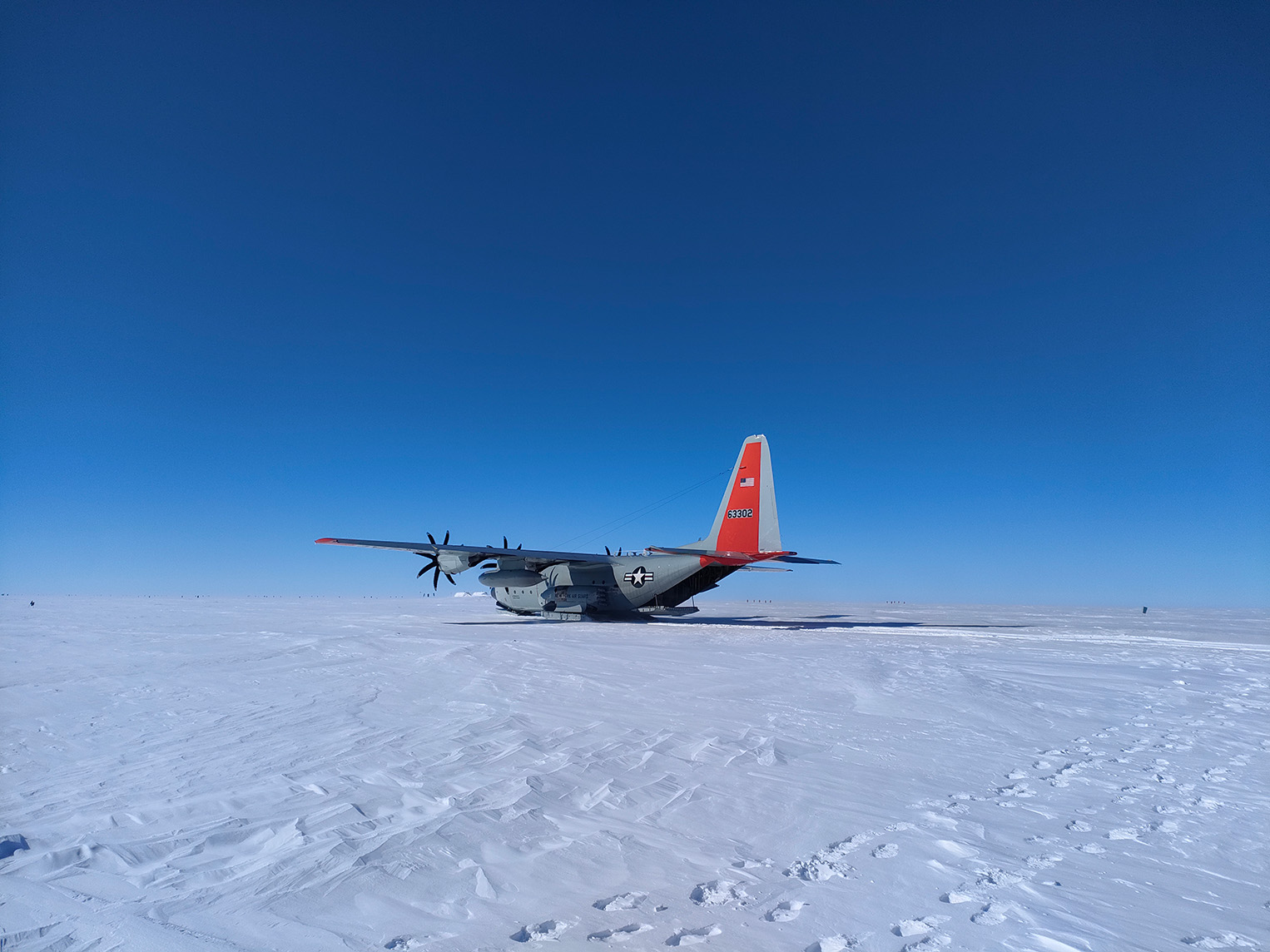
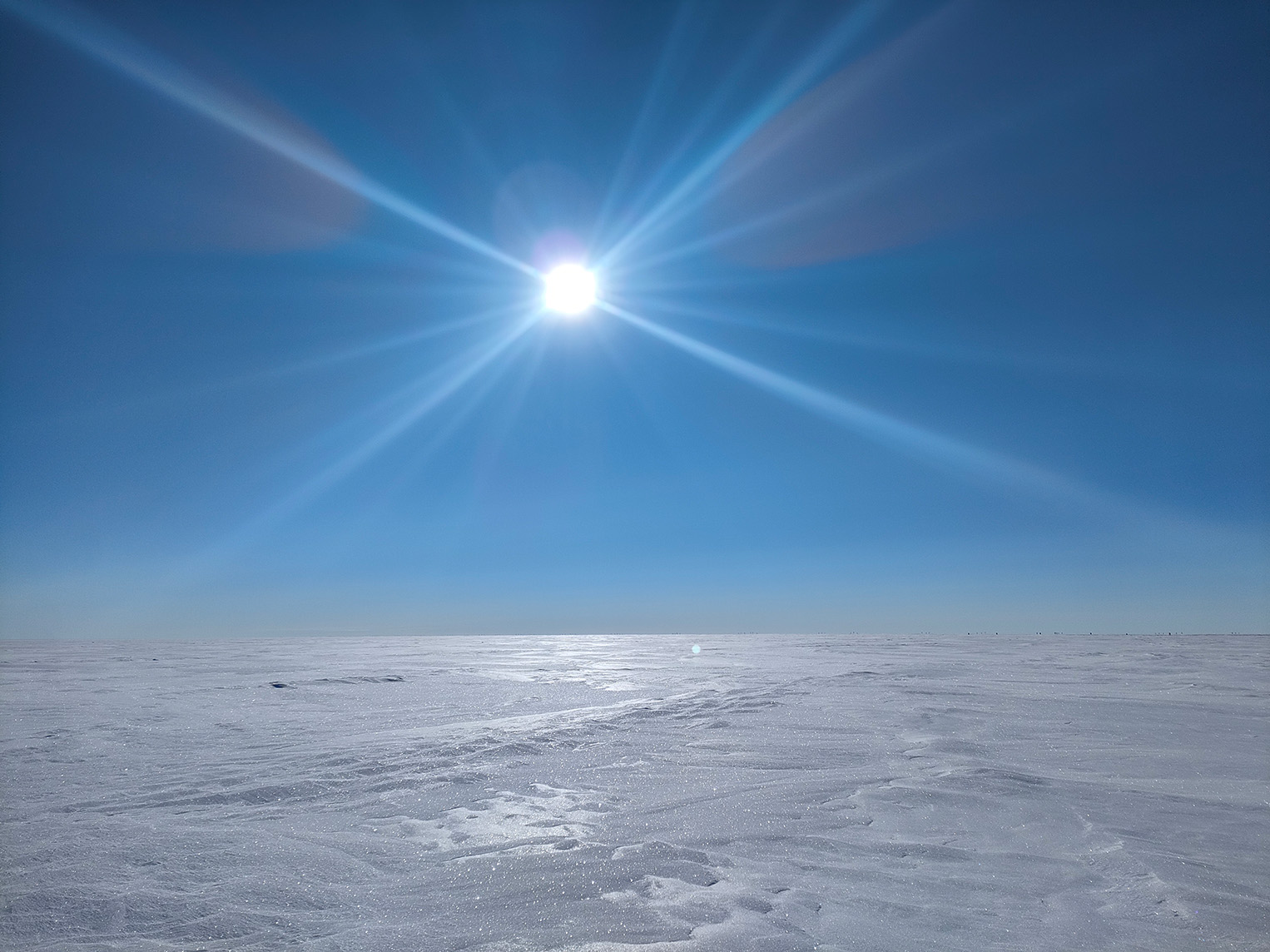
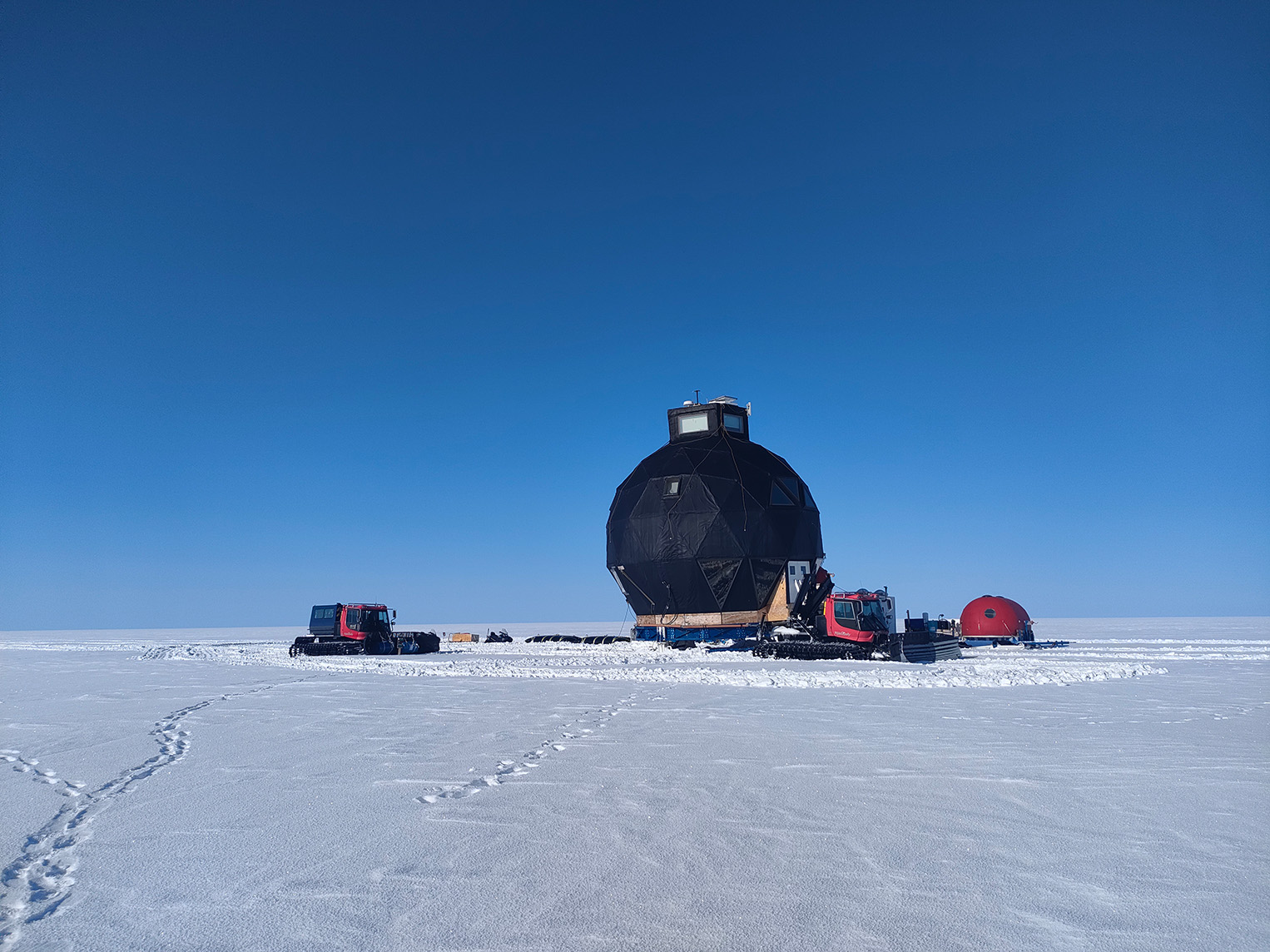
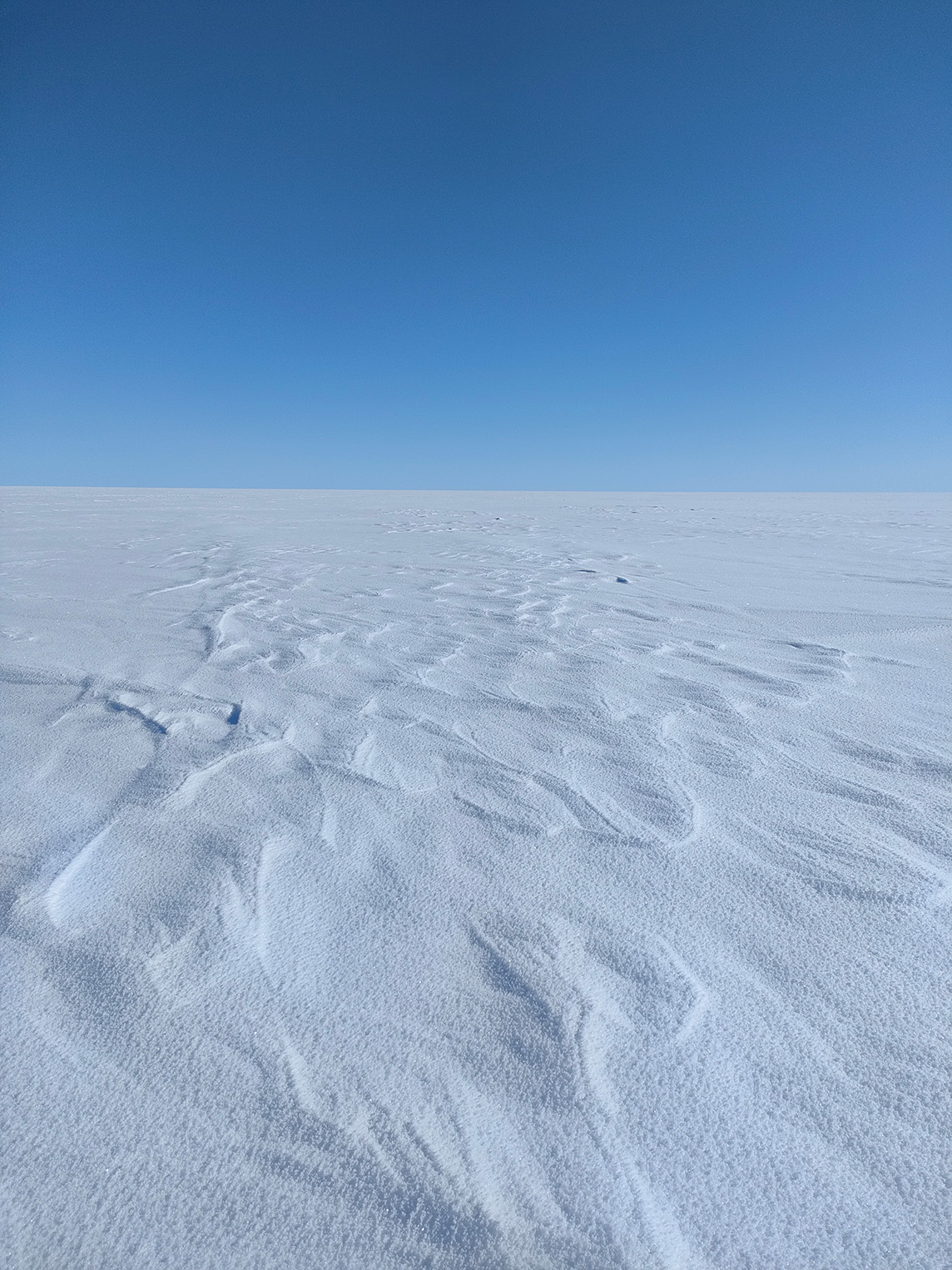
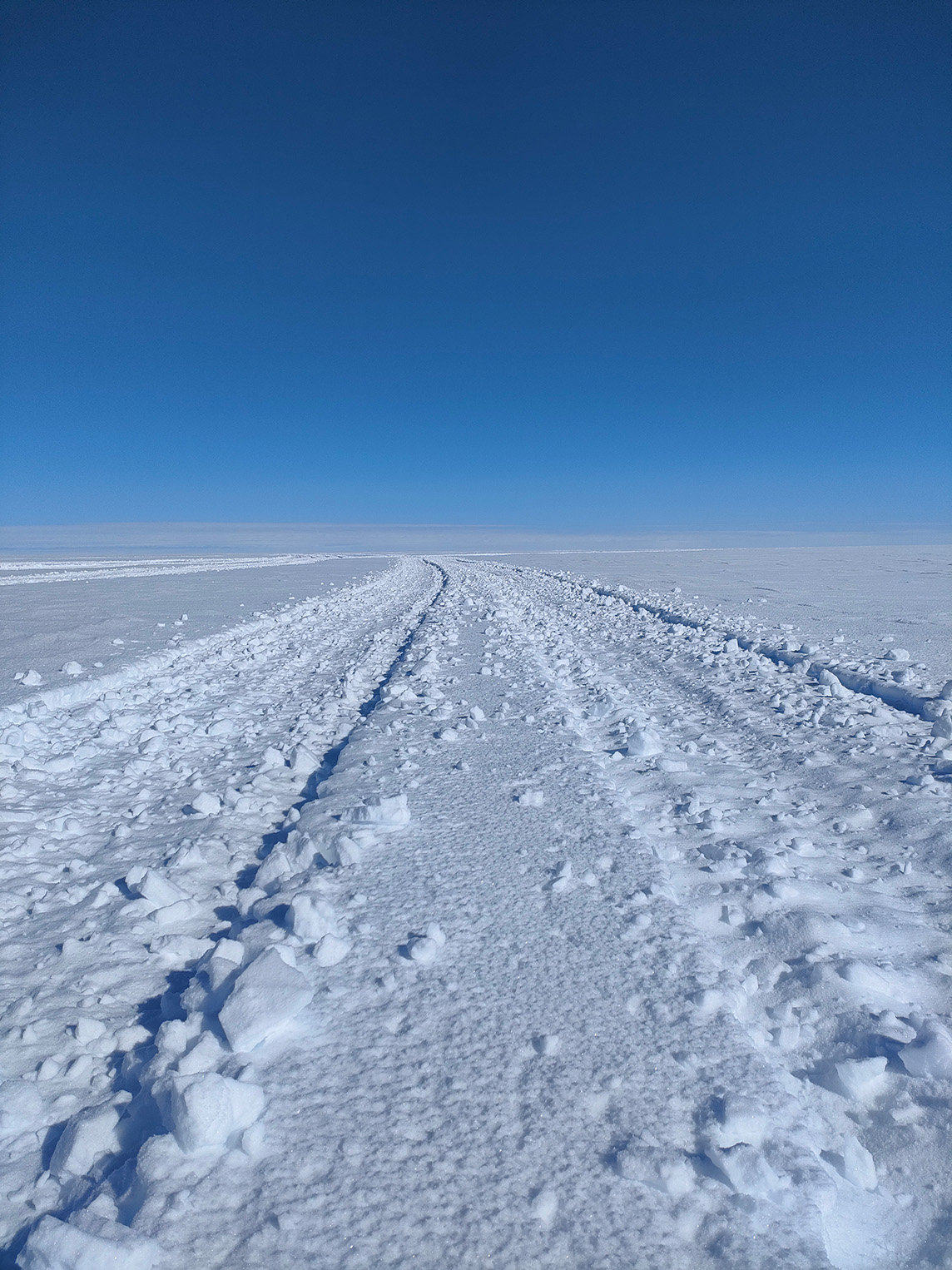
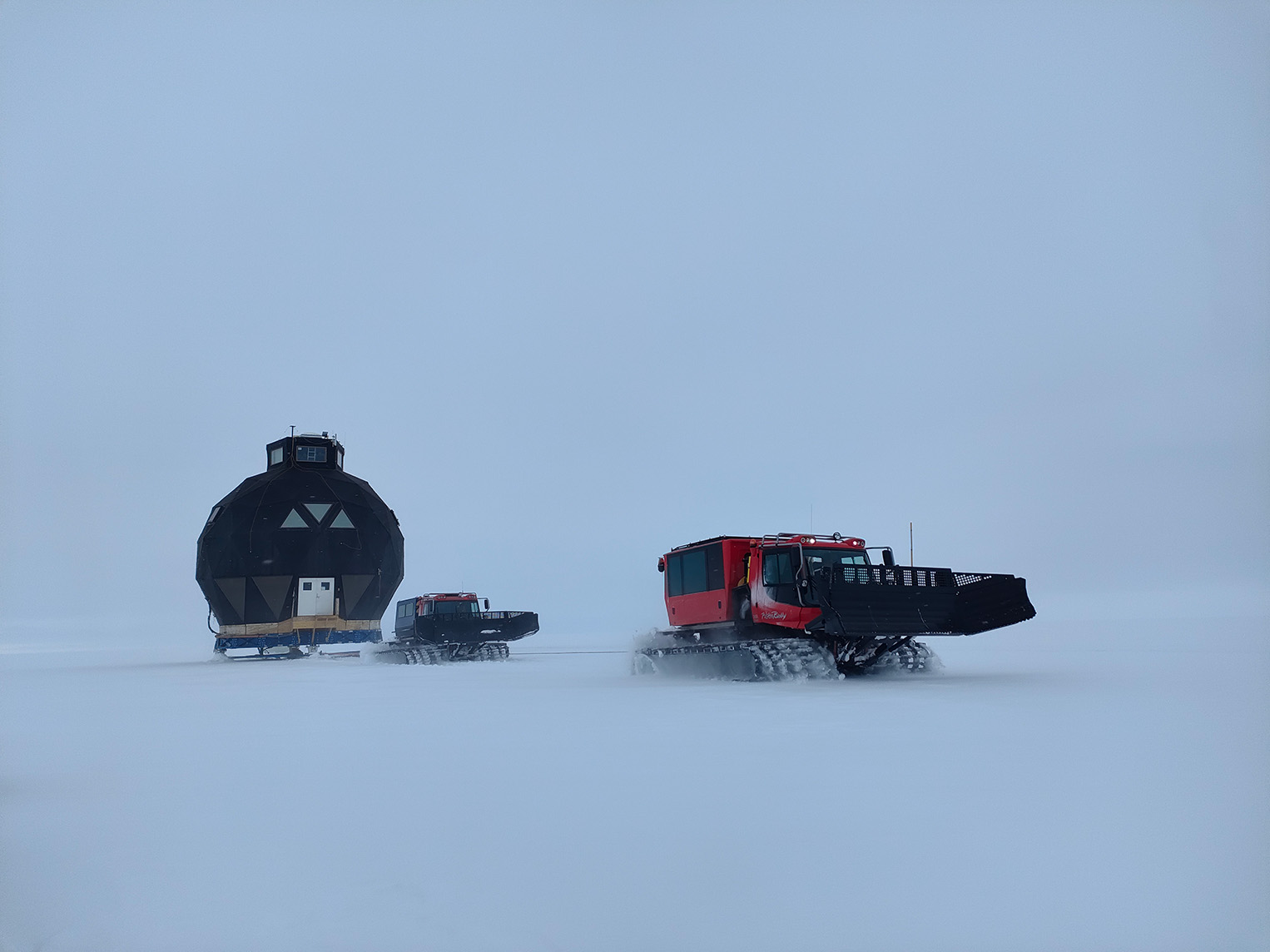
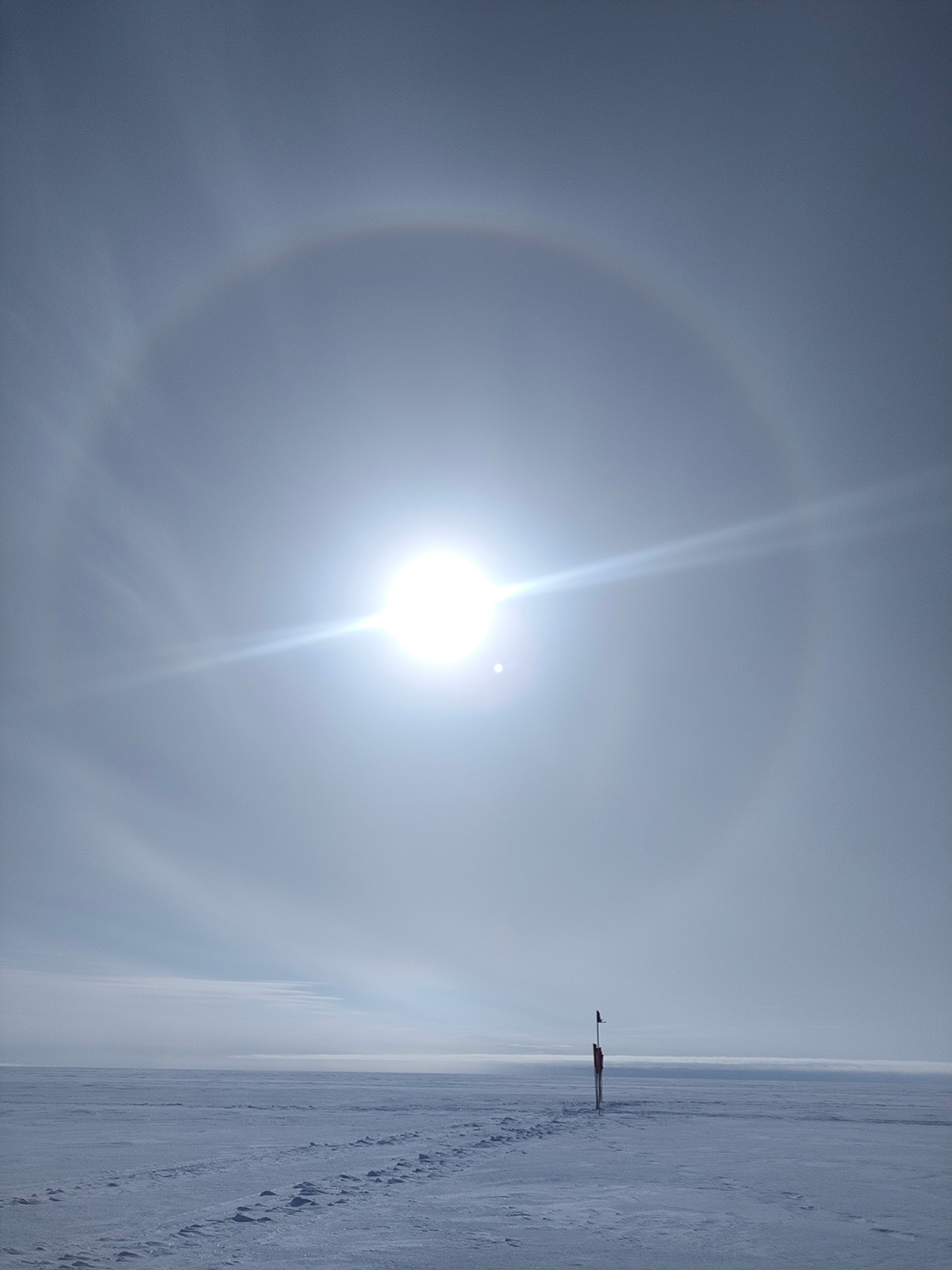
During this mission, Louise Crinella-Morici (PhD student at CRPG under the supervision of P.-H. Blard, C. Prud’homme, and Y. Marrocchi) represented CRPG and CNRS within the logistics team. After seven days of travel and 340 km covered across the ice sheet, the team reached the GRIP site on June 27, 2025, and set up a new camp until July 17, 2025. Thanks to this work, drilling for NewGRIP can begin as early as 2026, saving several years compared to a traditional core drilled from the surface.
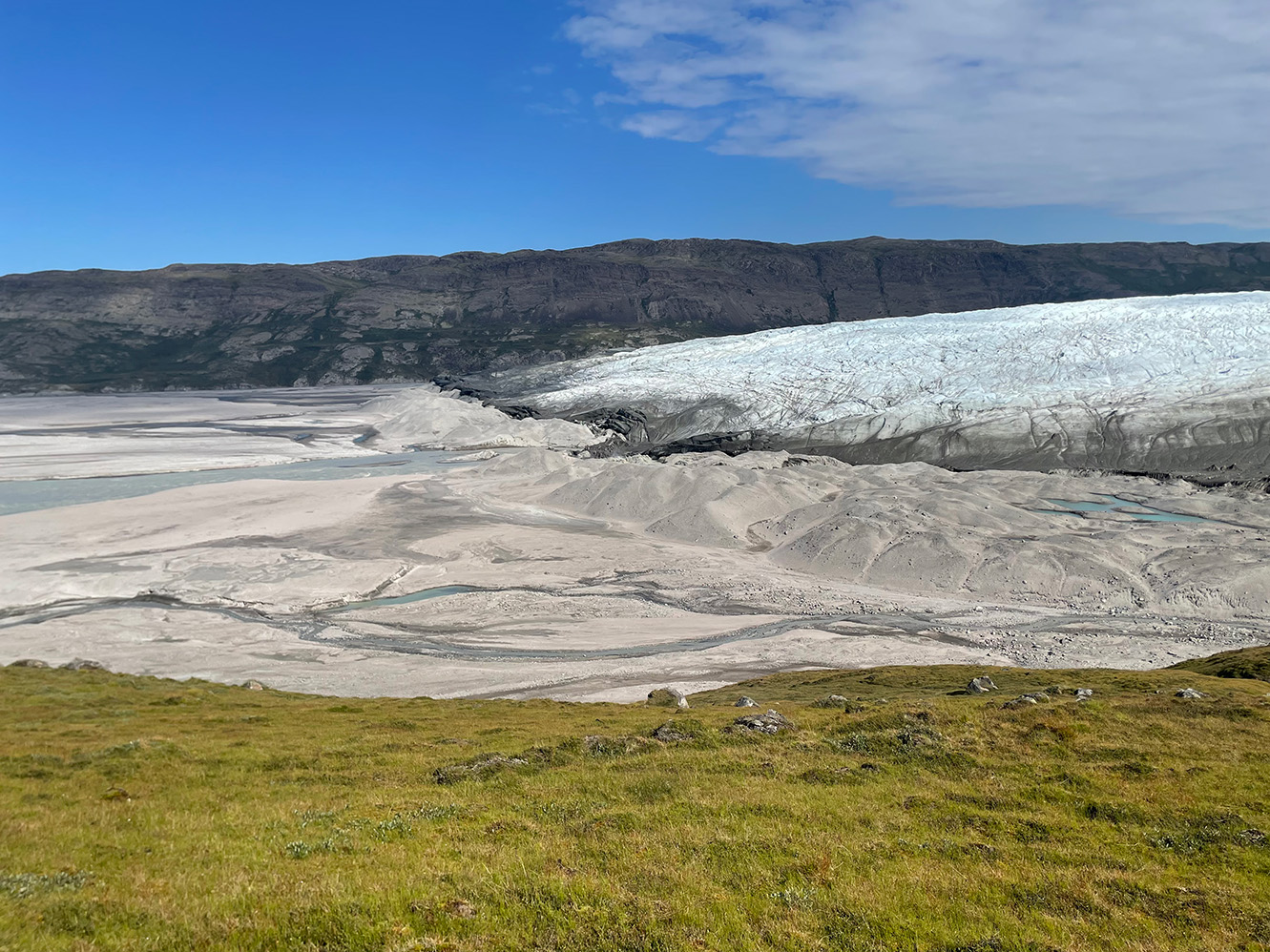
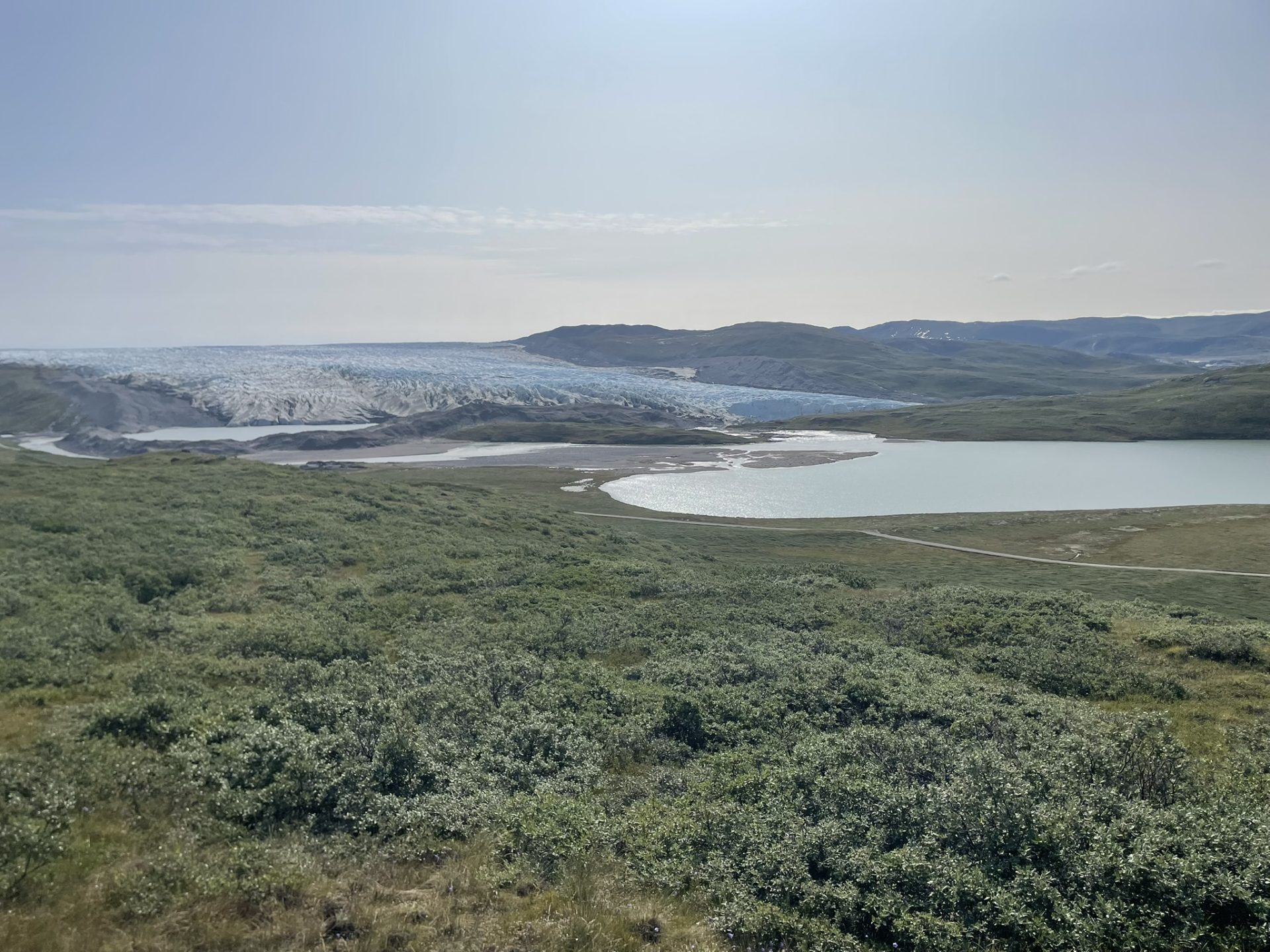
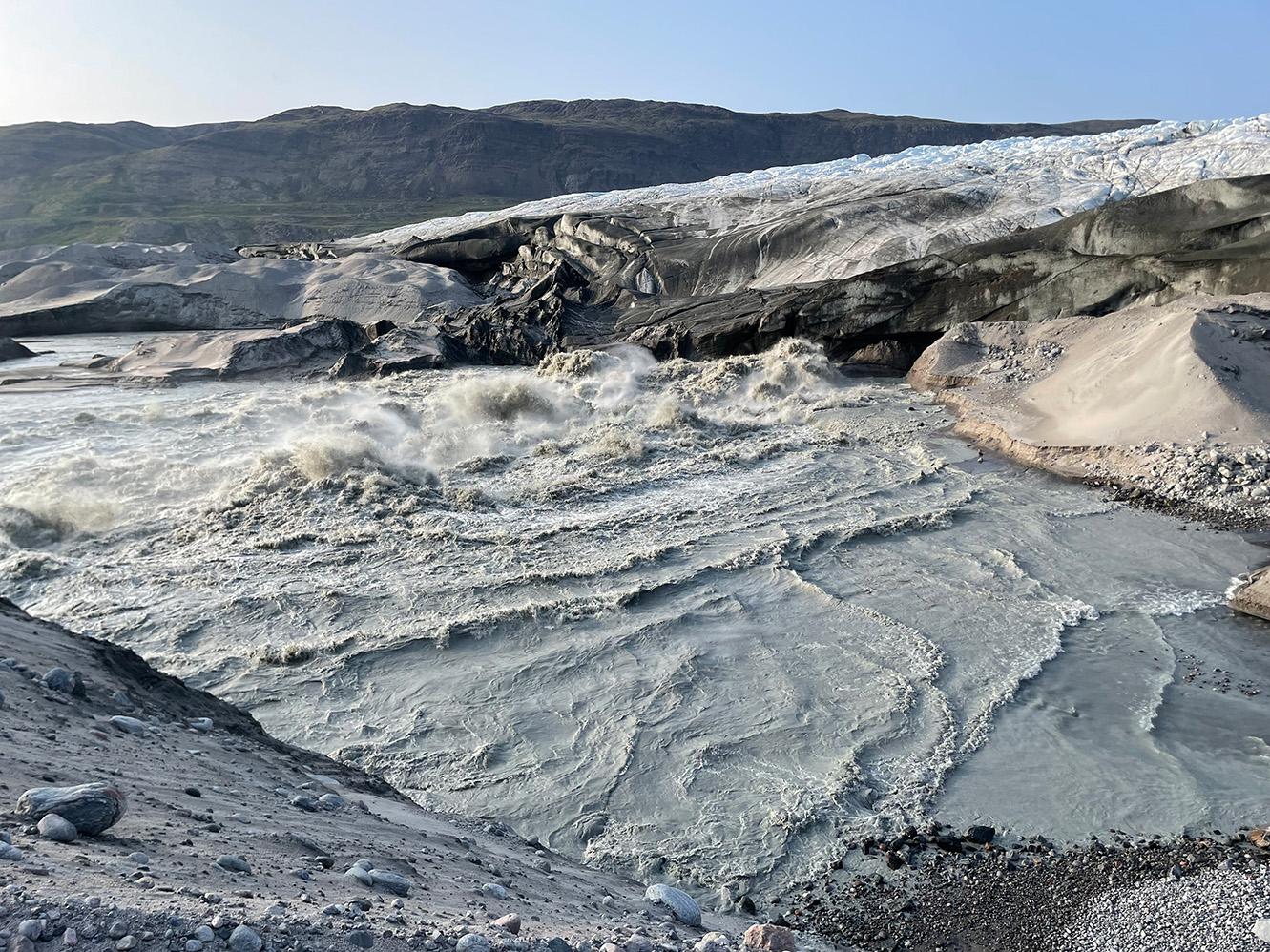
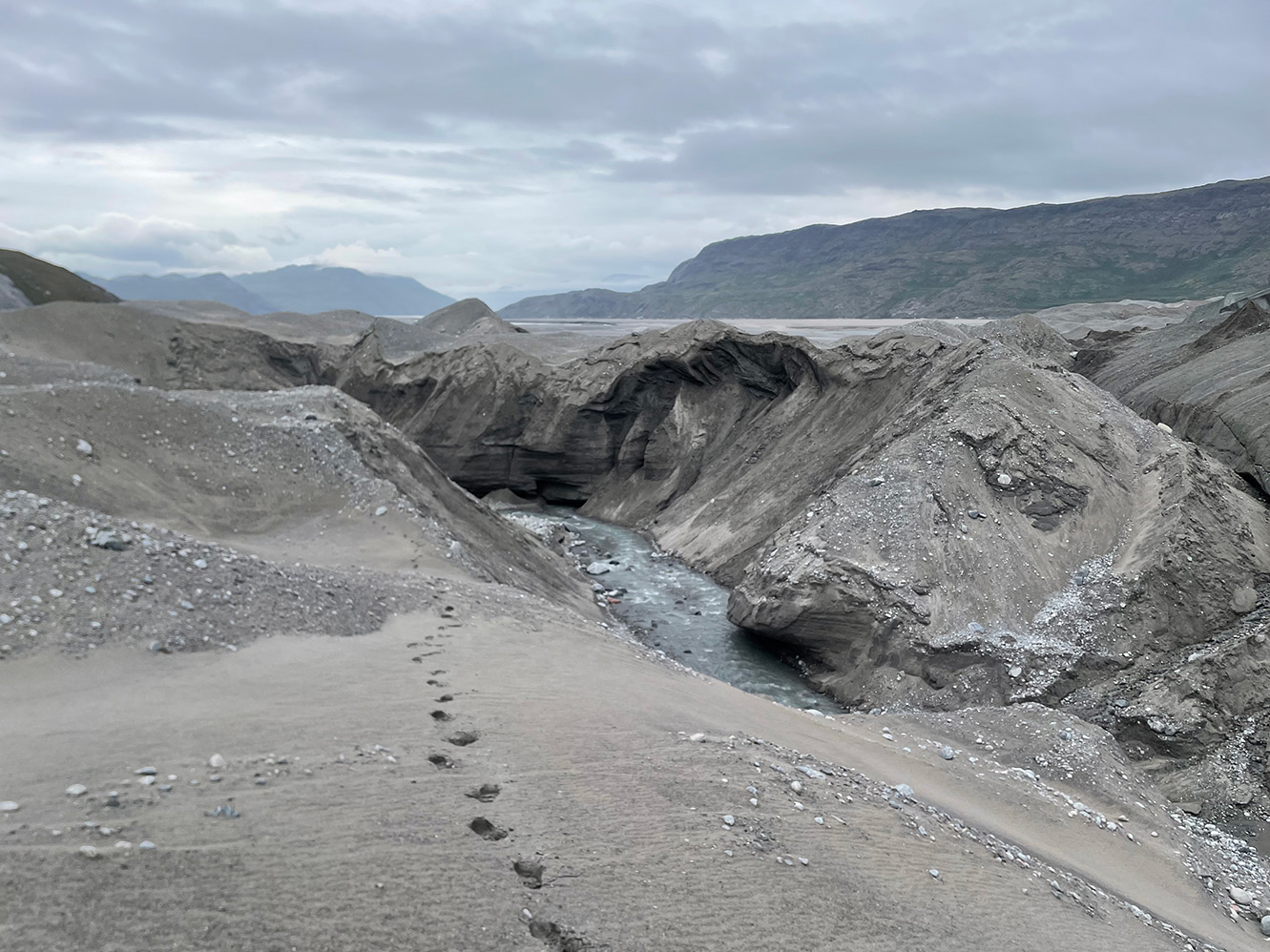
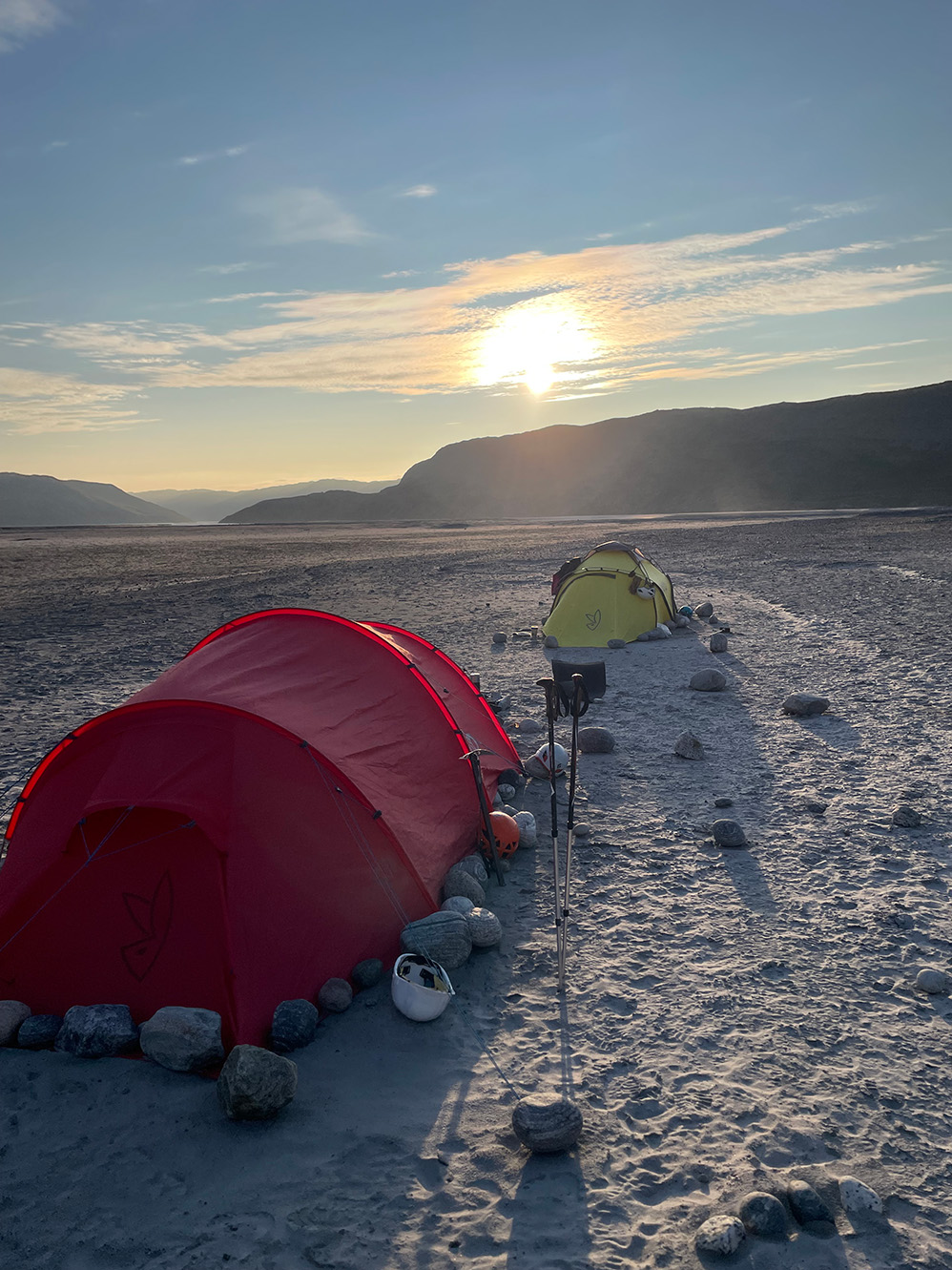
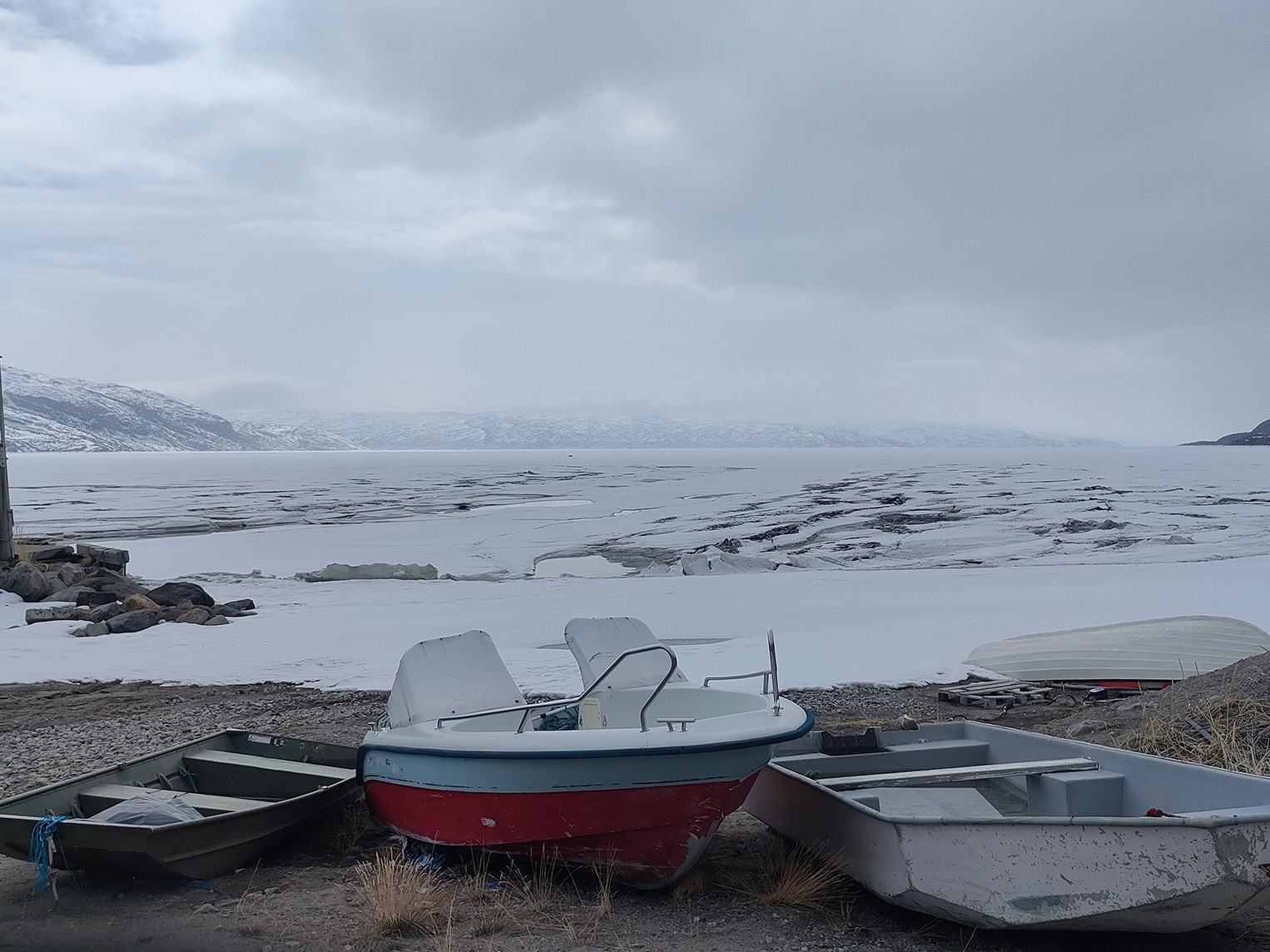
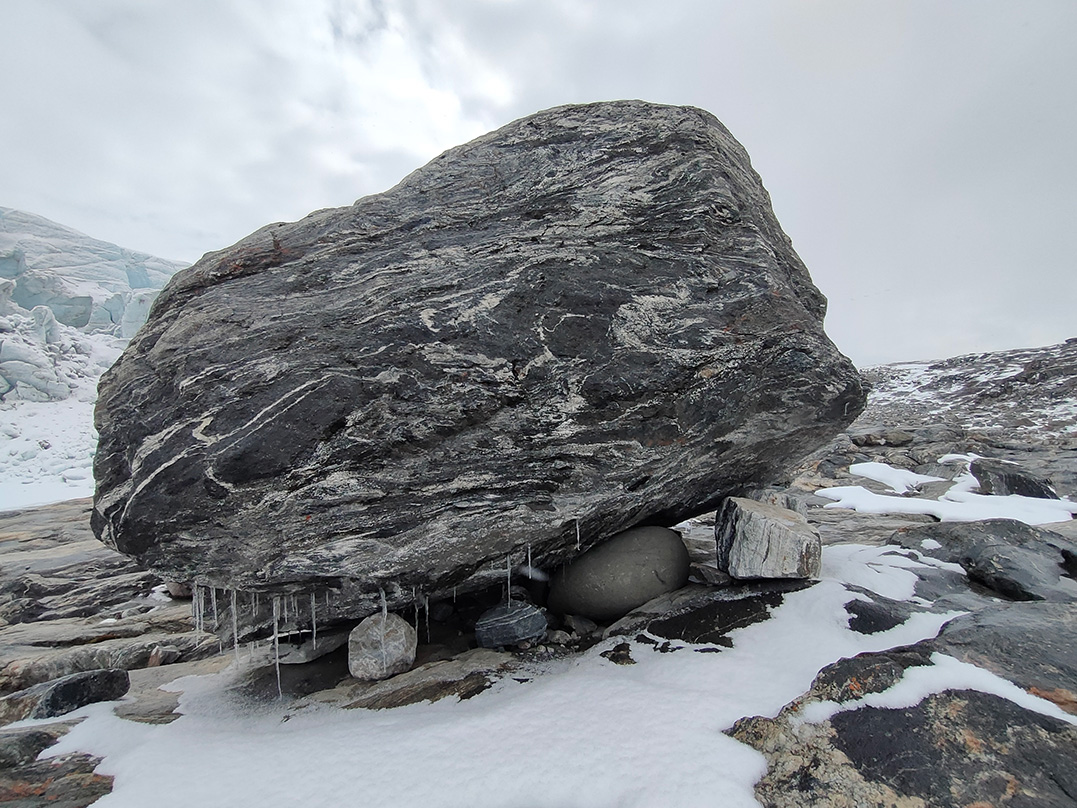
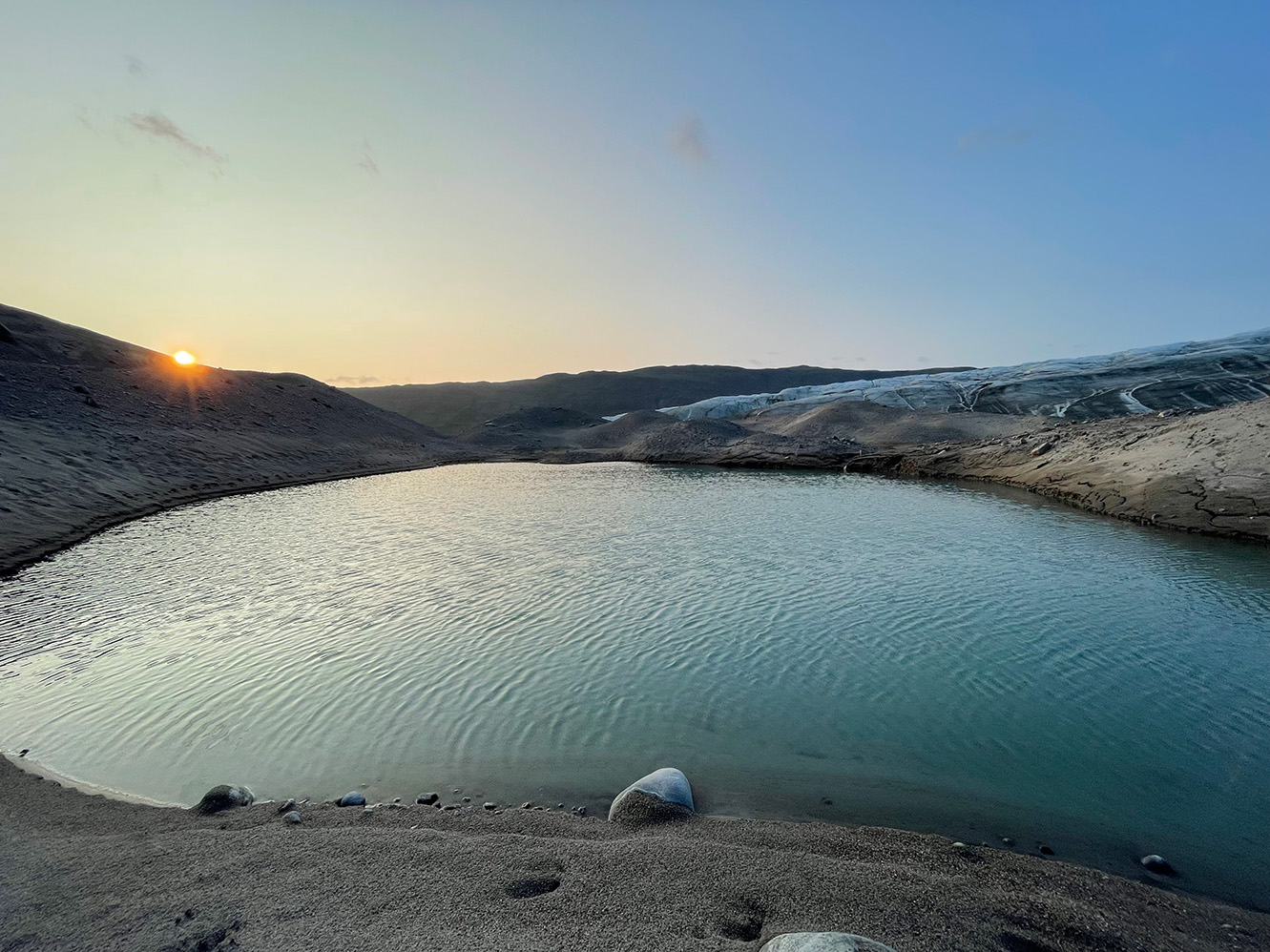
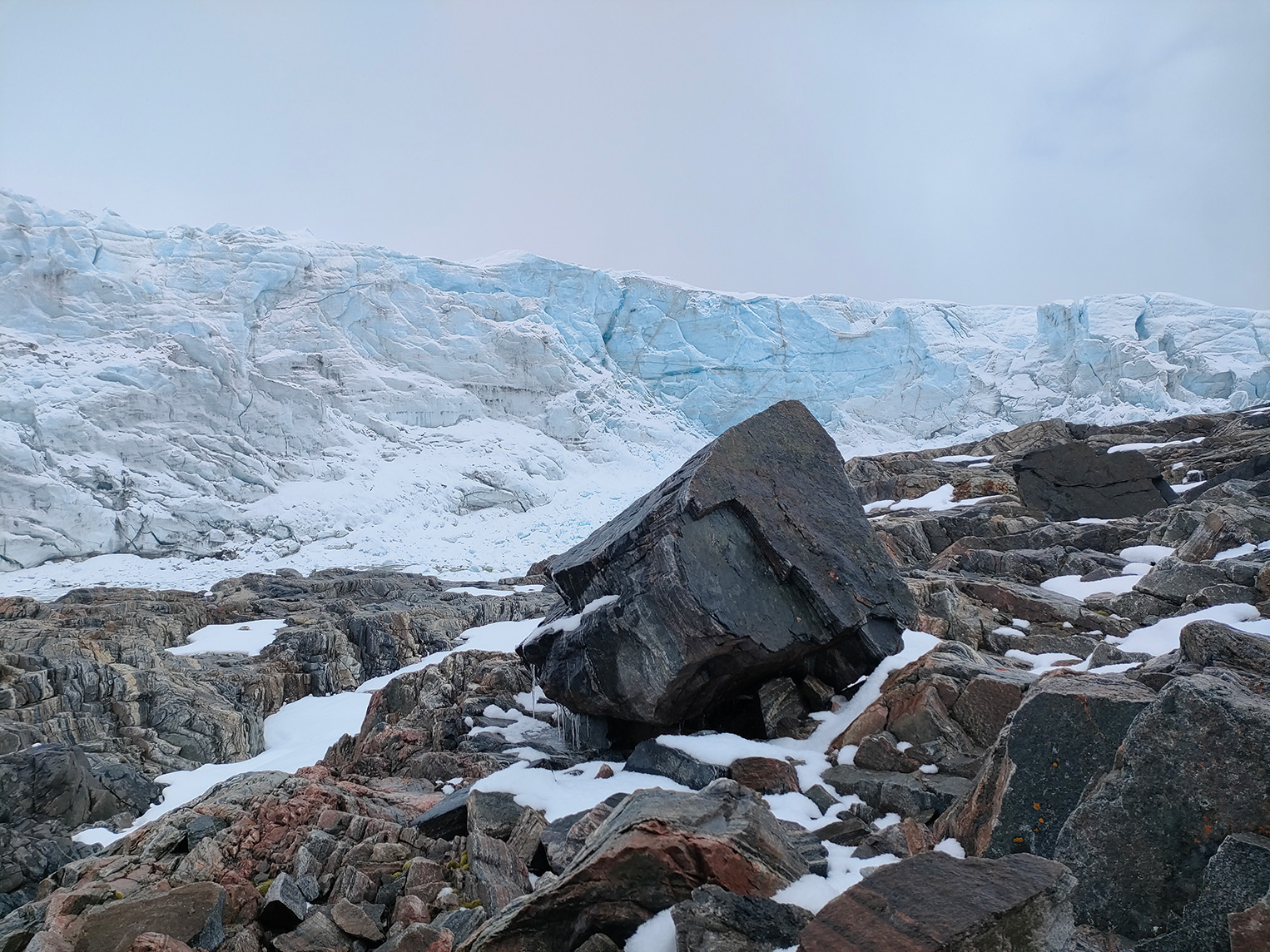
Meanwhile, Charlotte Prud’homme carried out another mission with Green2Ice and CryoEco (Czech team). Arriving in Kangerlussuaq on July 16, 2025, she reached the Issungata Sermia glacier on July 19. After a long day of hiking with heavy backpacks and setting up camp at the glacier front, she was able to sample subglacial and fluvial sediments over several days.
These samples will be analyzed as part of Louise’s PhD research, which aims to improve our understanding of the dynamics of the Greenland ice sheet by determining the nature and origin of these basal sediments.